Computer Science and Engineering - Data Science
About CSE DS Department
The Department of Computer Science and Engineering (Data Science) at DRK Institute of Science and Technology was established in 2020 to meet the growing demand for data-driven technologies and analytics expertise. With an intake of 120 students, the department aims to produce highly skilled data scientists, analysts, and AI engineers who can harness the power of data for decision-making, automation, and predictive analytics.
The department is committed to providing a strong academic foundation in data science methodologies, statistical analysis, and artificial intelligence. It integrates theoretical concepts with practical applications, ensuring that students develop a problem-solving mindset to tackle complex challenges in business, healthcare, finance, and technology sectors.
Vision
To be a center of excellence in data science education and research, driving insights and solutions for complex real-world problems.
Mission
To equip students with advanced knowledge in data analysis, machine learning, and artificial intelligence, preparing them for evolving industry demands. To foster research and innovation in data-driven solutions that address industry and societal challenges through interdisciplinary collaboration. To develop responsible professionals with critical thinking abilities, enabling them to make data-informed decisions for the betterment of society.
Academic Excellence and Curriculum
The Data Science curriculum is meticulously designed to align with AICTE and JNTUH guidelines, incorporating the latest trends in the data-driven economy. The syllabus includes:
- Fundamentals of Data Science and Big Data Analytics
- Machine Learning and Deep Learning
- Artificial Intelligence and Natural Language Processing (NLP)
- Data Visualization, Business Intelligence, and Predictive Analytics
- Cloud Computing, Edge Computing, and IoT Integration
- Cybersecurity and Ethical Hacking for Data Protection
The department follows a hands-on learning approach through real-time datasets, projects, and case studies. Students are encouraged to publish research papers and contribute to open-source projects, enhancing their practical exposure and industry readiness.
One of the best practices in the department is the weekly assessments and project-based learning, ensuring continuous improvement and skill enhancement. Final-year projects are research-oriented, addressing real-world challenges through innovative data-driven solutions.
State-of-the-Art Infrastructure and Labs
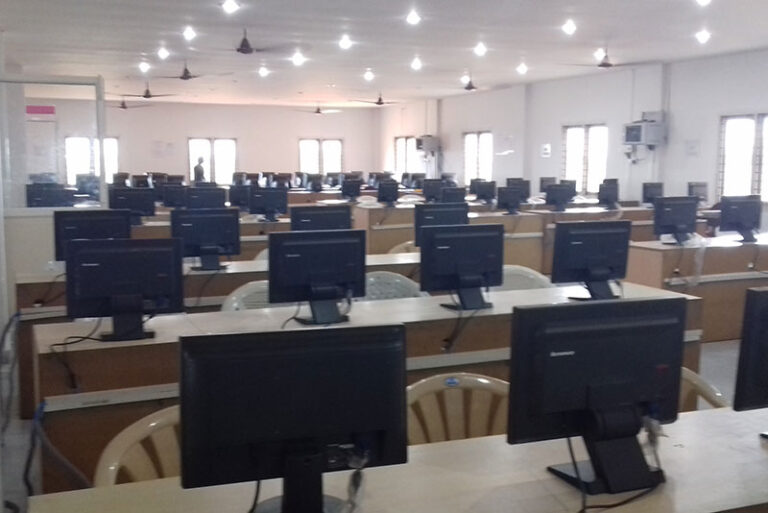
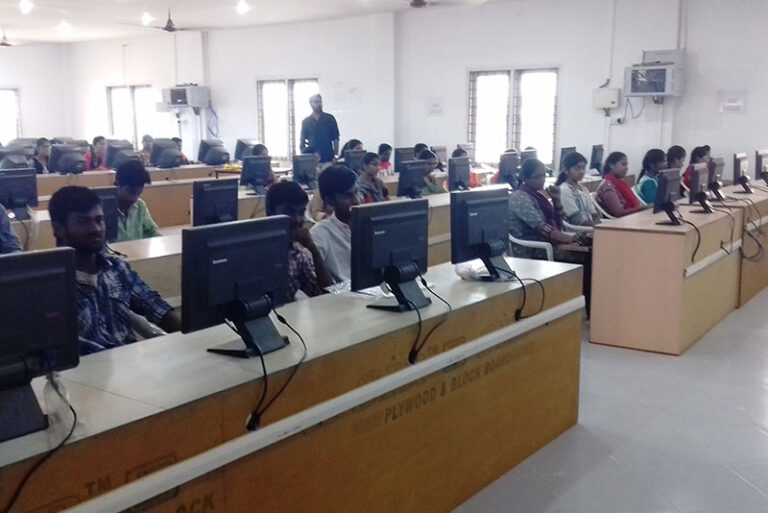
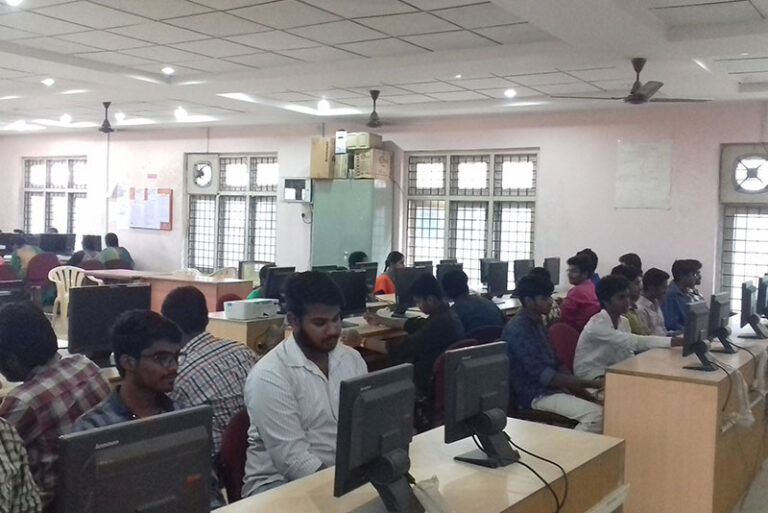
The CSE (Data Science) department is equipped with cutting-edge facilities to support high-end computing and data analytics. Key features include:
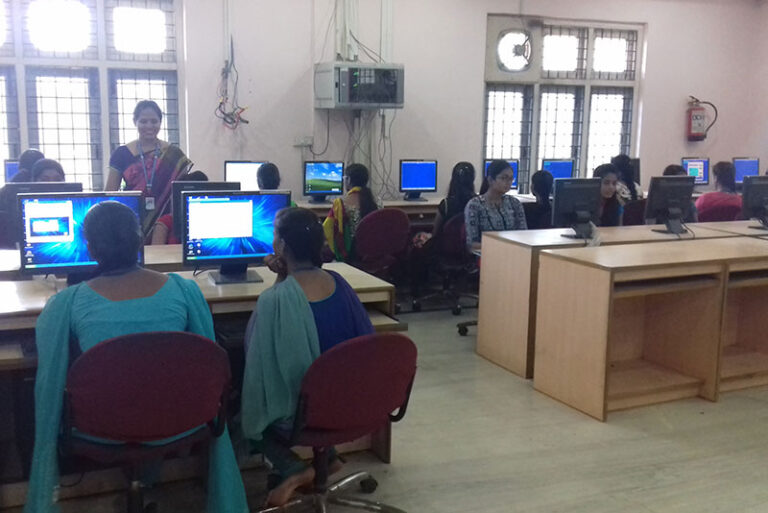
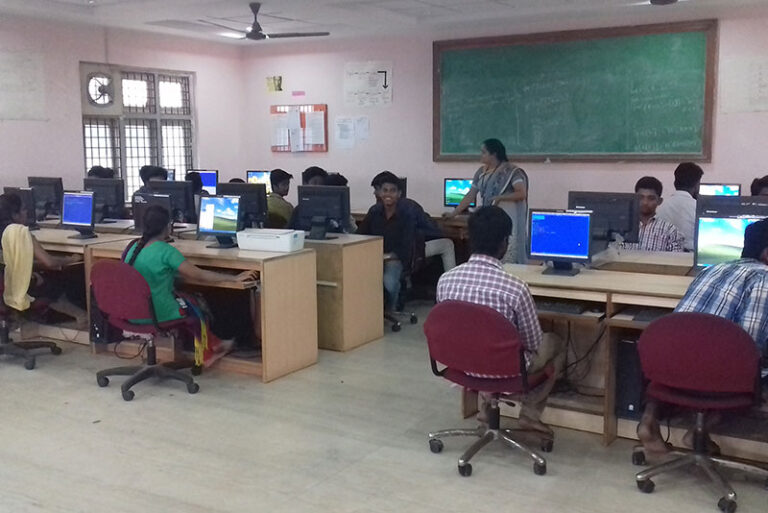
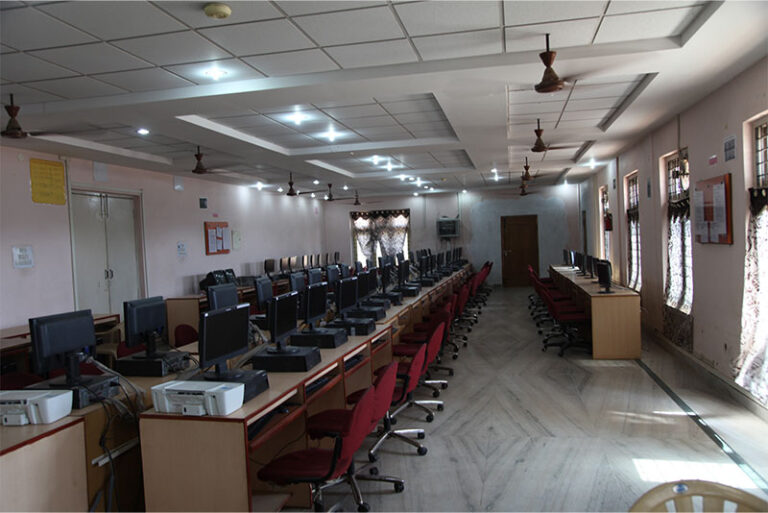
- Dedicated Data Science and AI Labs with high-performance computing systems
- Cloud Computing and Big Data Labs for hands-on exposure to tools like Hadoop, Spark, and AWS
- Smart Classrooms integrated with AI-powered learning solutions
- A well-stocked Library with an extensive collection of research journals, books, and online databases like IEEE, Springer, and ACM
The department regularly updates its infrastructure to ensure students get practical exposure to the latest industry tools, including Python, R, TensorFlow, Tableau, Power BI, and Scikit-learn.
Faculty Expertise and Research
The faculty members in the CSE (Data Science) department are highly qualified professionals with rich academic and industry experience. Faculty members are actively engaged in:
- Publishing research papers in high-impact international journals related to AI, machine learning, and big data analytics
- Conducting faculty development programs (FDPs) on advanced AI and data science trends
- Guiding students in research projects, ensuring a strong foundation in analytics and statistical modeling
The department promotes interdisciplinary research collaborations with renowned institutions and industry leaders, focusing on:
- Healthcare analytics and predictive disease modeling
- Financial risk assessment and fraud detection
- Supply chain optimization and data-driven decision-making
- Autonomous AI-powered systems
Internships, Industry Collaborations, and Placements
The department actively collaborates with industries and research institutions to offer students internships and placement opportunities. Students have completed internships at IIT Guwahati, gaining hands-on experience in real-world AI and data science applications.
Key industry engagements include:
- Workshops and technical training sessions by experts from Microsoft, Google, Amazon, and IBM
- Hackathons, coding competitions, and AI challenges, preparing students for problem-solving in the AI-driven industry
- Capstone projects in collaboration with MNCs, allowing students to work on real-time data challenges
The department boasts a strong placement record, with students securing positions in top-tier tech firms such as:
- Amazon, TCS, Capgemini, Deloitte, IBM, Cognizant, and Accenture
- Startups and research firms focusing on AI-driven solutions and automation
Holistic Development and Student Engagement
Beyond academics, the department actively encourages students to participate in extracurricular activities to develop leadership, teamwork, and analytical thinking skills. Key initiatives include:
- Technical Tests, coding hackathons, and AI/ML challenges
- Participation in AI and Data Science Conferences to present student research
- National Service Scheme (NSS) activities promoting community-driven projects using AI and data analytics
- Entrepreneurship and Startup Incubation Support, encouraging students to develop AI-powered startups and projects
PEO's, PO's and PSO's
HOD Profile
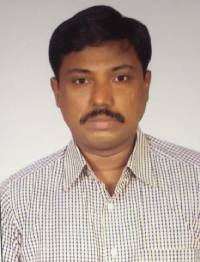
Mr. JACOB JAYARAJ GOLLAMUDI
Professor & HOD
Department of CSE - Data Science
Department Faculty
| S.NO | NAME | JNTUH ID | QUALIFICATION | DESIGNATION |
|---|---|---|---|---|
| 1 | Dr PREM KIRAN RAJA BARRY | 3008-180129-122453 | Ph.D | Professor |
| 2 | Dr P MADHURI | 2141-160311-173346 | Ph.D | Professor |
| 3 | Mr.JACOB JAYARAJ GOLLAMUDI | 8451-150415-192421 | M.Tech | Professor & HOD |
| 4 | Mrs.ANUSHA KOREFU | 3994-160122-095450 | M.Tech | Associate Professor |
| 5 | Mrs.DUDDUKUNTA KOTESWARAMMA YENKATA | 6712-190216-153909 | M.Tech | Assistant Professor |
| 6 | Mr.KRANTIH KUMAR PRATAPAGIRI | 4919-210706-202153 | M.Tech | Assistant Professor |
| 7 | Mr.VALPADASU PHANINDER | M.Tech | Assistant Professor | |
| 8 | Mrs.RAMADEVI AREKATLA | 0192-150416-085621 | M.Tech | Assistant Professor |
| 9 | Mrs.VASANTHA CHENNOJI | 0830-230414-120217 | M.Tech | Assistant Professor |
| 10 | Mrs.KAMPA SUMALATHA | 4283-160229-173803 | M.Tech | Assistant Professor |
| 11 | Mr.G CHINNA RAMALINGA REDDY | 9946-160304-153127 | M.Tech | Assistant Professor |
| 12 | Mrs.VIJAYAGIRI MANASA | 1750-170126-113309 | M.Tech | Assistant Professor |
| 13 | Mrs.SALEINDRA HArIKA | 4967-220413-163708 | M.Tech | Assistant Professor |
| 14 | Mrs.ANJAILI GORUKANTI | 5503-190506-122912 | M.Tech | Assistant Professor |
Labs
Course Structure and Syllabus
| S.No | Regulation | Download |
|---|---|---|
| 1 | R22 CSE(DS) COURSE STRUCTURE & SYLLABUS | 📥 Download |
| 2 | R25 CSE(DS) COURSE STRUCTURE & SYLLABUS | 📥 Download |
